Dog tax & registration
Dog tax in Switzerland: costs, registration and deadlines
Municipal dog tax, local registration and AMICUS are easy to confuse. This guide explains what to do after moving, taking over a dog or importing one.
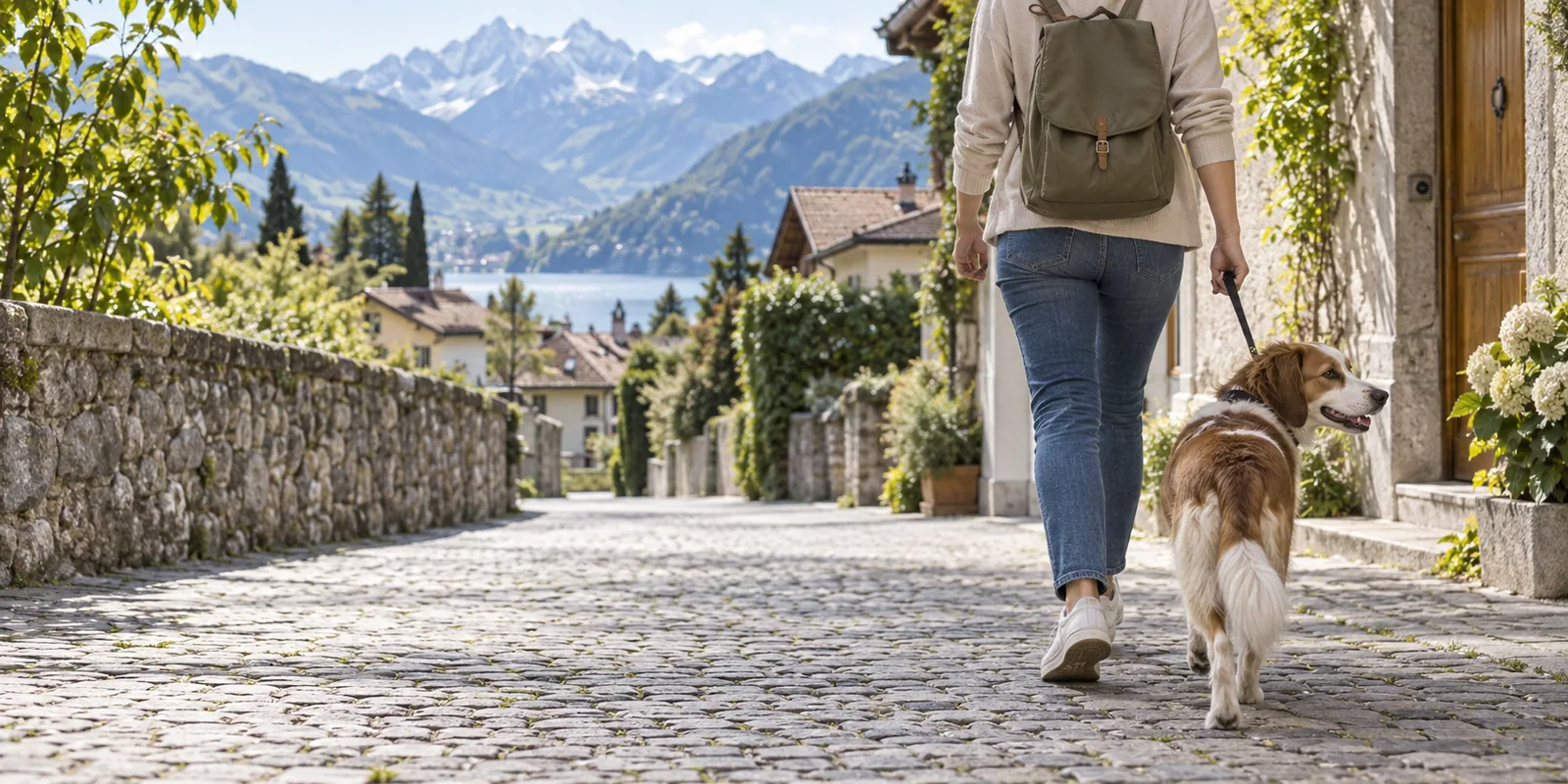
Dog tax depends on where you live
Switzerland does not have one dog-tax rate for every municipality. Whether a fee applies, how much it is and when it is due depend on the current cantonal and municipal rules. Your place of residence therefore matters.
A municipality may charge per dog or use a different rate when a household keeps several dogs. The start of liability, exemptions and payment deadlines can also vary. A rate from a neighbouring municipality is not a reliable estimate.
Start by searching for your municipality in our directory. You will find the latest checked rate or, when no clear current amount is published online, the responsible official contact and original source.
The municipality and AMICUS have different roles
AMICUS is Switzerland’s national dog database and stores information about the animal. The municipality manages dog owners’ personal details. An AMICUS notification therefore does not automatically replace registration with your local authority or a check of the municipal dog tax.
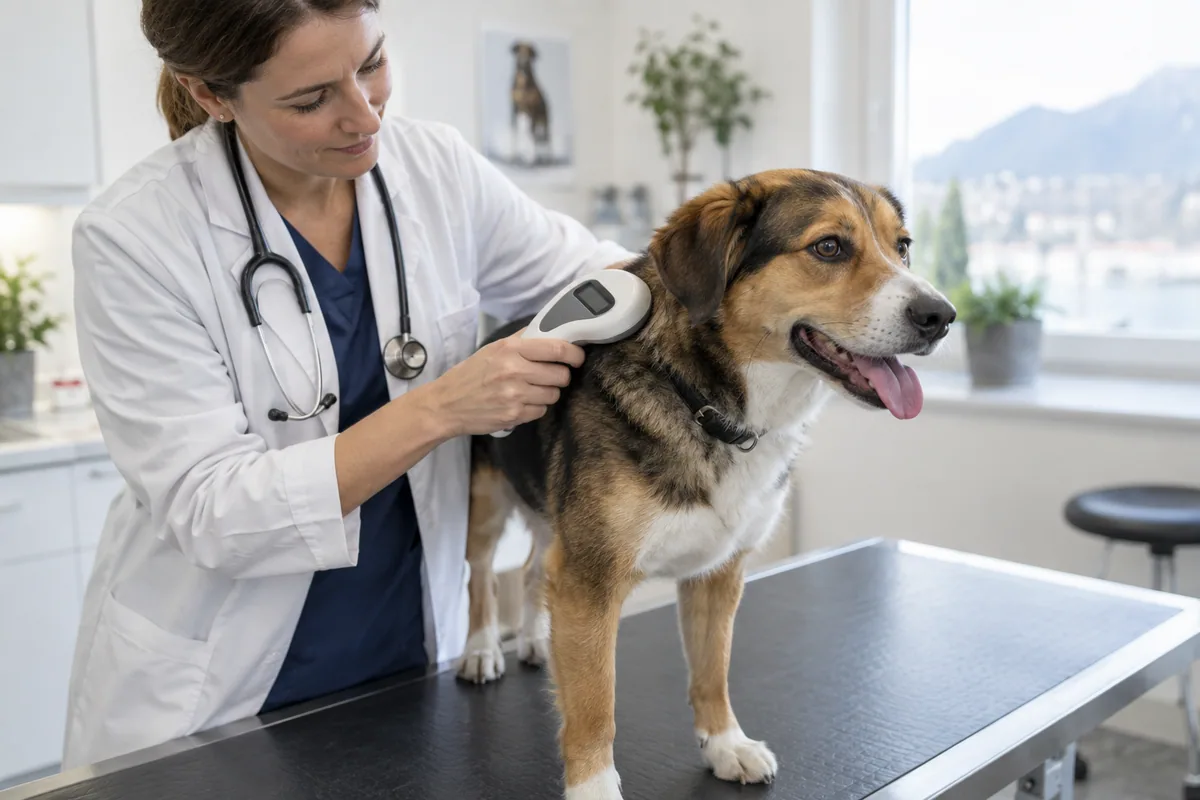
In Switzerland, a veterinarian implants the microchip and then registers the dog in AMICUS. New dog owners register with their municipality as keepers and receive access to AMICUS.
What to do after moving or taking over a dog
Tell your municipality about changes to your personal details and ask how to register the dog locally and which rate applies. A change of keeper must also be recorded in AMICUS: the previous keeper transfers the dog and the new keeper accepts it. Ask whether your municipality needs other documents or sets a deadline.
For a puppy or a dog already registered in Switzerland, ask the veterinary practice to confirm its identification and AMICUS record. Check local reporting deadlines and dog-tax rules with your municipality; they are not the same across Switzerland.
Imported dogs: keep the 10-day deadline in mind
A specific deadline applies when a dog is imported to live in Switzerland: within ten days of import, a veterinarian must check the dog’s identification and report it to AMICUS. Book the appointment promptly and bring any available microchip and travel documents.
Temporary imports for holidays or short stays may be treated differently. The deadline also does not replace any other entry, customs or cantonal requirements. If you are unsure, contact the Federal Food Safety and Veterinary Office and your cantonal veterinary office.
The key points at a glance
Check the local fee with your municipality and keep the relevant records up to date. A missed notification can lead to follow-up questions or an incorrect bill.
Your quick checklist
- Register with your municipality as a dog owner and ask about local reporting requirements.
- Confirm the microchip and AMICUS record with the veterinary practice.
- For a change of keeper, complete both the transfer and acceptance in AMICUS.
- Check the dog-tax rate, payment deadline and any exemption with your municipality.
- After importing a dog, have a veterinarian check and report its identification within ten days.
Find the rate for your municipality
Search for your municipality to check the fee, local registration information and official source.
Search municipalitiesFrequently asked questions about dog tax and registration
How much is dog tax in Switzerland?
There is no single rate for the whole country. Search for your municipality because the rate, payment date and possible reductions depend on local rules.
Does AMICUS registration replace municipal registration?
No. AMICUS holds the dog’s record, while the municipality manages dog owners’ personal details and provides local registration and tax information. Check both steps.
How soon must a permanently imported dog be registered?
For a dog coming to live in Switzerland, a veterinarian must check its identification and report it to AMICUS within ten days of import. Temporary holidays or short stays may be exempt.